

Tokyo is a city of four distinct seasons: spring, summer, autumn, and winter. Each season brings a different atmosphere. From cherry blossoms in the spring and fireworks festivals in summer to fall foliage and winter lights, there’s always something distinctive to enjoy no matter when you visit. When planning a trip to Tokyo, you might even consider choosing your travel dates to coincide with seasonal happenings. Read on for some of the nighttime events that can be enjoyed during each of Tokyo’s seasons.
Admire impressive blooms in spring
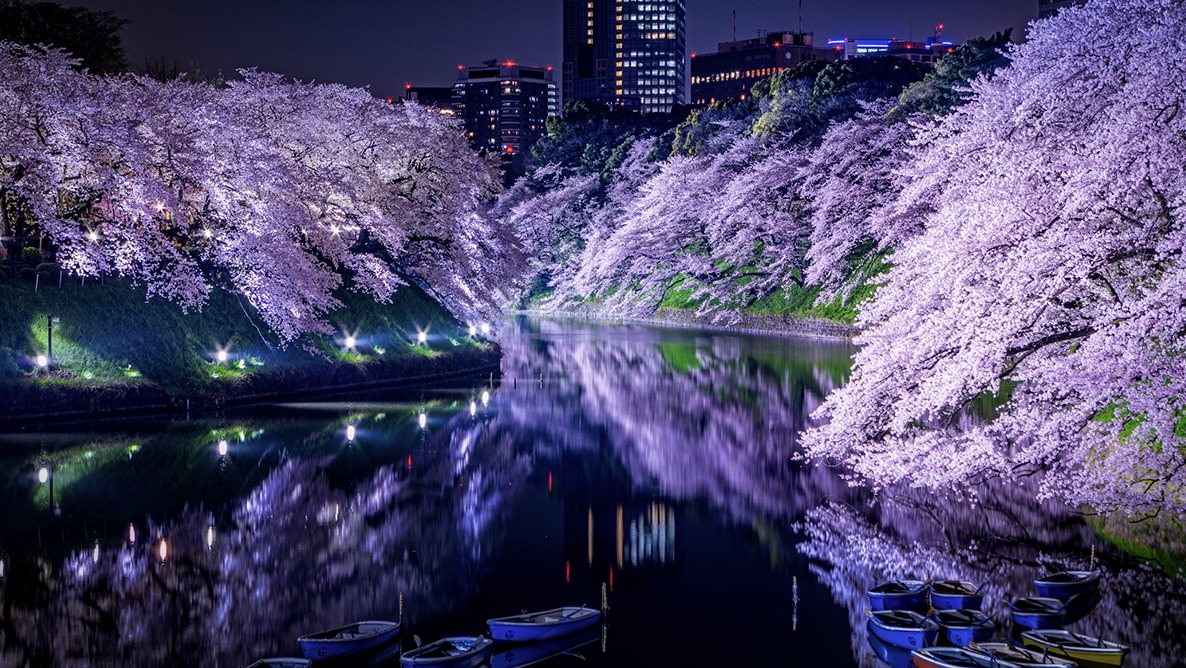
Tokyo’s cherry blossom season runs from late March to early April. At some of the city’s best-known viewing spots, including Chidorigafuchi along the Imperial Palace moat and the Meguro River in Nakameguro, the cherry blossoms are illuminated at night, glistening with a dreamlike beauty. These locations become especially crowded on weekends, so visiting on a weekday evening is usually the better option.
Even after the cherry blossoms begin to wither and fall in mid-April, Tokyo’s evenings continue to be adorned with flowers. Head to Kameido Tenjin Shrine to admire wisteria illuminated in the evenings from mid- to late April, with clusters of pale purple blossoms glowing beautifully after dark.
Experience spectacular fireworks displays and traditional festivals
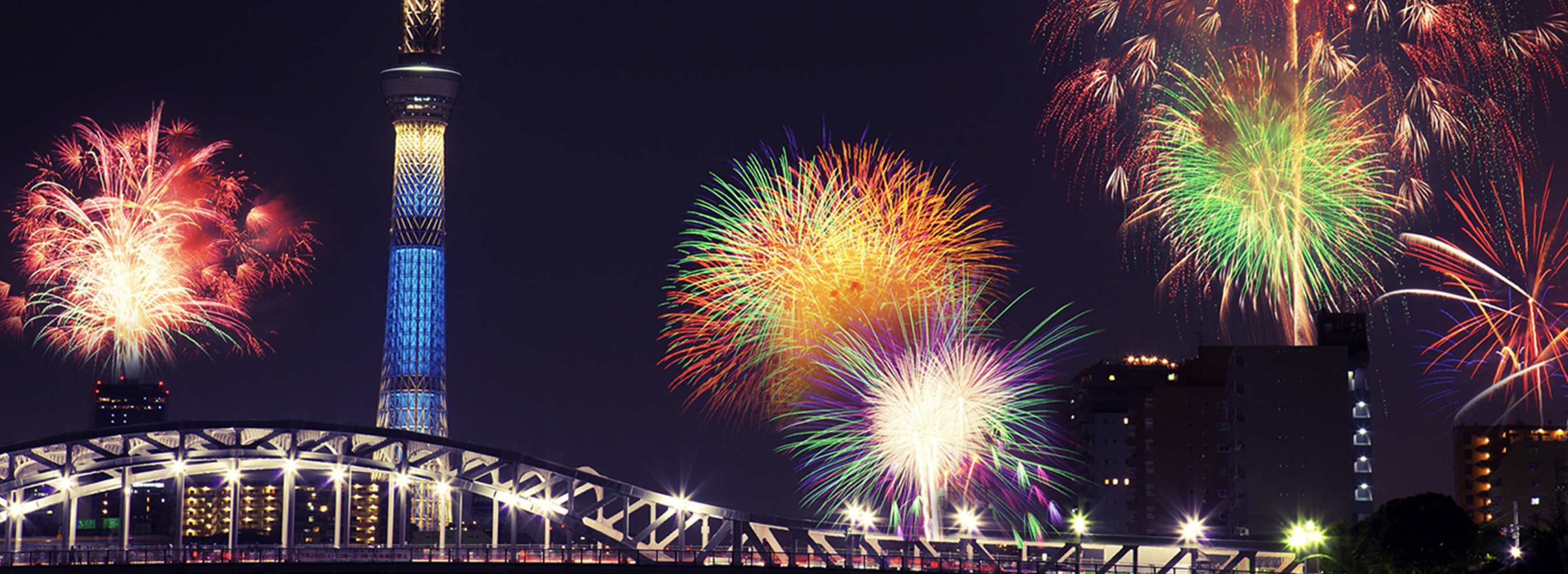
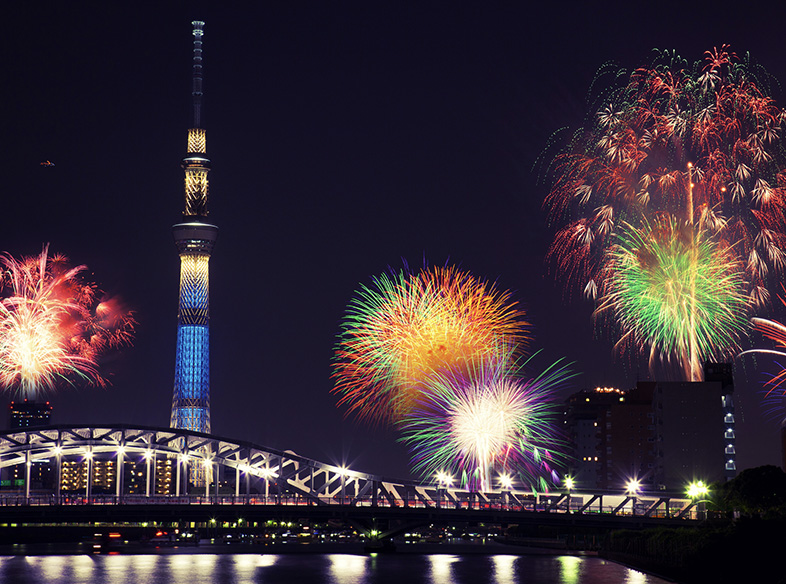
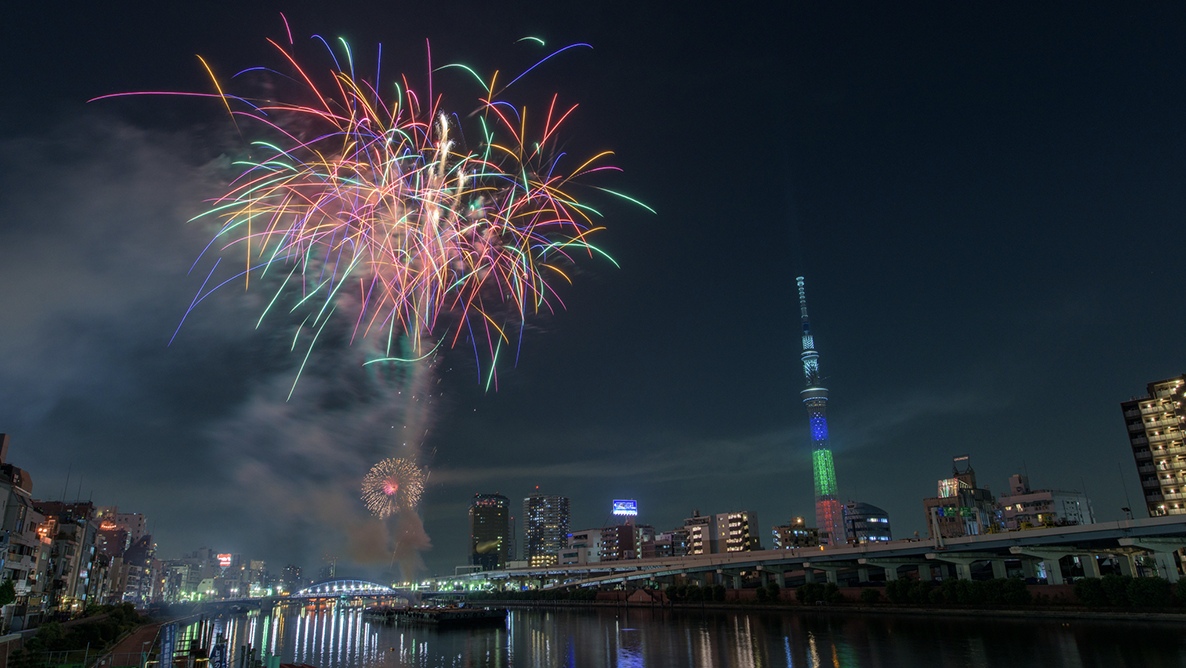
July and August are the season for fireworks and summer festivals in Tokyo. Fireworks displays are held throughout the city, with major events including the Sumida River Fireworks Festival and the Jingu Gaien Fireworks Festival.
The sight of people strolling around in yukata (summer kimono) at summer festivals is also a quintessential part of Japanese summer evenings. Summer festivals in Tokyo feature attractions such as shateki target shooting games and goldfish scooping, along with food stalls selling yakisoba (fried noodles), shaved ice, and other festival favorites. Bon Odori, a traditional dance performed around a raised wooden platform called yagura, is another popular summer tradition.
The Fukagawa Hachiman Festival, usually held around August 15, is celebrated on a grand scale once every three years. In these years, more than 50 portable mikoshi shrines of all shapes and sizes are paraded through Tokyo’s old downtown neighborhoods. Also worth seeing are festivals that incorporate traditions from other regions of Japan, including the Tokyo Koenji Awa Odori. The largest festival of its kind in the Tokyo area, it focuses on awa odori, an energetic form of street dancing that originates in Tokushima Prefecture on the island of Shikoku in western Japan.
Enjoy the moon, autumn leaves,
and Tori no Ichi festivals
Summer makes way for autumn with September’s Jugoya, a special evening dedicated to appreciating the beautiful full moon beneath the clear autumn sky. You can take part in this traditional custom of moon-viewing among pampas grass while eating seasonal fruit and sweet tsukimi dango dumplings.
Tori no Ichi, an auspicious festival where people pray for prosperity in business and good fortune, is held at shrines across Tokyo in November. While the festivals are lively throughout the day, visiting at night, when lanterns and lights illuminate the grounds, is especially recommended. Many visitors come to purchase decorative kumade rakes, considered lucky charms, at this quintessential Tokyo autumn festival. Hanazono Shrine in Shinjuku, as well as Otori Shrine and Chokokuji Temple in Asakusa, are among the best-known venues.
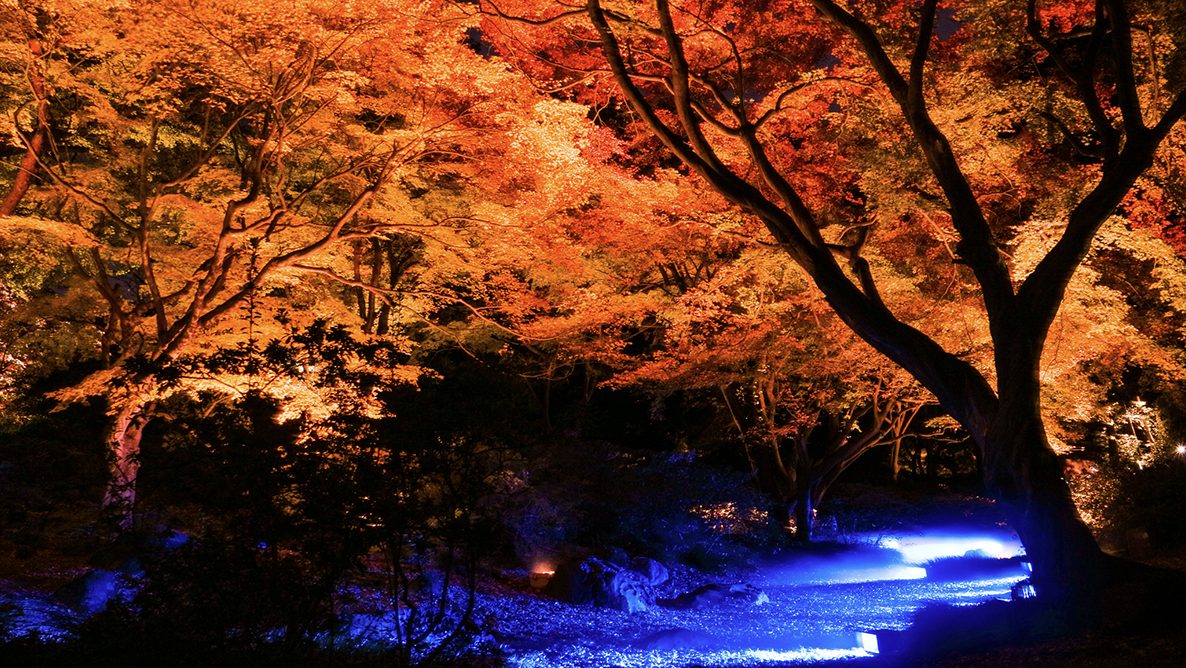
From around mid-November, the trees in Tokyo’s parks and gardens begin turning brilliant shades of yellow, orange, and red. Rikugien Garden and Koishikawa Korakuen Gardens in Bunkyo are counted among the city’s most famous foliage-viewing spots. The illuminated ginkgo tree avenue at Jingu Gaien is also another signature sight of the season.
Winter illuminations and welcoming the New Year
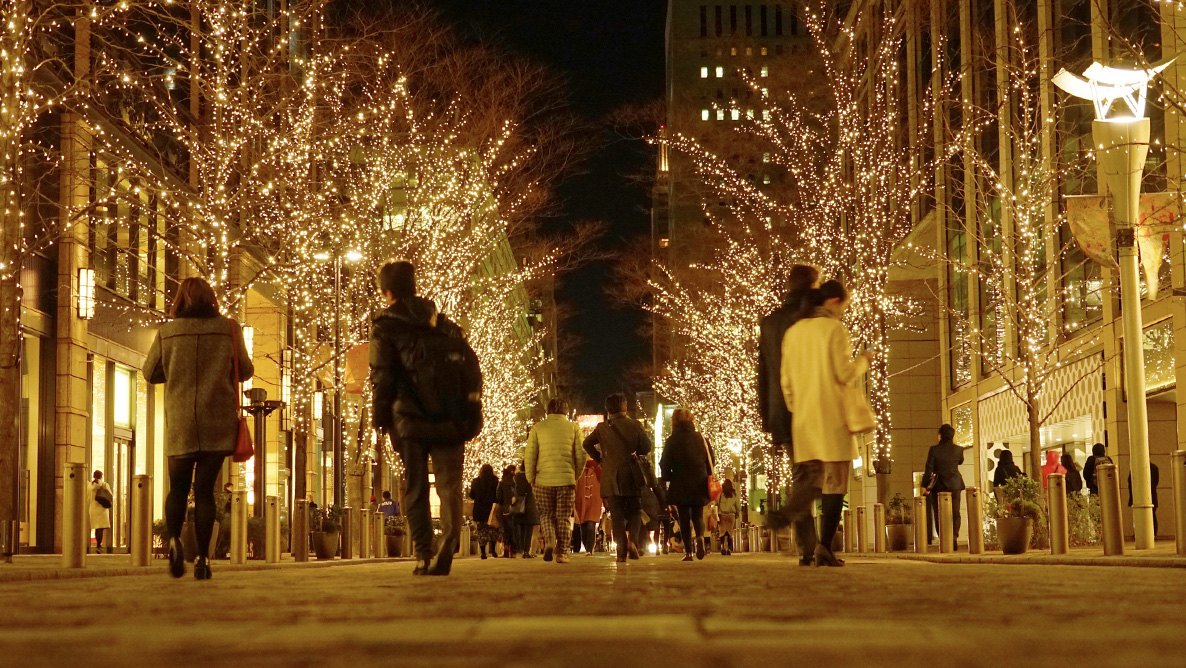
From around early November each year, Tokyo’s streets begin to sparkle with winter illuminations. The Marunouchi district next to Tokyo Station and Omotesando near Yoyogi Park, two popular shopping districts, are among the city’s best-known illumination spots in the lead-up to the Christmas season.
From New Year’s Eve through New Year’s Day, visitors can experience one of Japan’s most distinctive traditions. At iconic Tokyo shrines and temples such as Meiji Jingu Shrine and Sensoji Temple, large crowds gather through the night and into dawn to express their gratitude for the year that was and offer prayers for the coming year.
From February to March, before the cherry blossoms bloom once more, plum blossom season begins. Yushima Tenjin Shrine, which hosts an annual plum-viewing festival, and Ikegami Baien Plum Garden are among the best places to view the flowers after dark. The sight of the white and pale pink blossoms illuminated at night creates a dreamlike scene that symbolizes winter’s thaw and the approach of spring.